
In a world where reliance on expensive prescriptions is concretely systemic, and people are beginning to turn to TikTok herbalists to shake the same problem, Common Side Effects has arrived as a darkly funny mirror. Adult Swim’s new series doesn’t just parody pharmaceutical influence; it exposes the emotional and economic confusion at the heart of modern healthcare.
This stunningly realized animated series … on Adult Swim comprises 10 tight episodes. The story’s inciting incident centres around the reconnection of high school friends, Frances (Emily Pendergast) and “odd-ball” Marshall (Dave King), who has discovered the Blue Angel mushroom – an elixir to all known diseases.
In terms of cinematic style, the animation has evolved to “look as high quality and prestigious as possible”. Each character and scene is carefully crafted by hand, making it all the more of a cinematic marvel that we attach to these characters. But it’s no surprise – this show is a masterpiece.
The series toes the line between a dark comedy and a drama in terms of plot, with creators Joe Bennett and Steve Hely developing characters with dimensions; balancing humour with honest depictions of human intricacies. On the point of genre, for any film, art work, tv show, to be deemed ‘satirical’ does not entail it is a sub-genre of comedy. It is, rather, an aesthetic mode of expression capable of engaging with multiple genres, and its most potent function is to unravel the flaws, vices and absurdities in a given society.
Now, when you view Common Side Effects through this satirical lens – you will observe the multi-dimensional layers of satire interwoven within the glossy filmic fabric. A few of examples illustrate this:
In episode one, Big Pharma clients review the commercial for a new medication in the editing room, we’re hit with our first taste of satire.
(EP 1 – 14:30 mins)
“Need your okay on the legal disclaimer …”
“[Commercial plays] Dry mouth, constipation, nausea, stomach upset, stomach pain, blurred vision, dried eyes, skin irritation, loose bowel movements, [pauses]“
“We have to say all that?”
[nods]
“Well how fast can you play that”
The writing here leans into an all-too-familiar exaggeration of medication adverts, subtly nodding to corporate nonchalance and the disturbing realities prescription consumers are expected to accept without question. It’s a grounded, dialogue-driven joke, but the satire doesn’t stop at the script.
In fact, this grounded moment points to a more obvious irony, yet the satire centralises through the form of animation itself. In a world that is, by definition, a deliberate fabrication, Common Side Effects feels more truthful than the reality it parodies. This is where the commentary sharpens. Animation, unlike live action, isn’t bound by physics, logic, or realism; it can stretch, distort, exaggerate, and stylise without breaking emotional coherence. That boundlessness becomes a satirical device, allowing the show to physically visualise the absurdities of real-world healthcare with a clarity that realism alone couldn’t achieve.
Satire also emerges through metaphor, particularly the “Blue Angel.” This figure functions as a symbolic counterpoint to pharmaceutical power. It represents the broad spectrum of alternative and emerging treatments, from herbal and organic medicines to psychedelics, which have long existed outside Western clinical acceptance. Rather than suggesting a conspiracy, the metaphor highlights how certain healing traditions have been historically sidelined or dismissed as pseudoscience, perhaps because they don’t fit neatly into a profit-driven medical system. The Blue Angel’s ethereal presence embodies the intuitive, nature-based, community-rooted forms of healing that modern medicine has overlooked in its race for technologically advanced solutions.
In the case of Common Side Effects, the show isn’t simply mocking Big Pharma; it’s using its satirical devices to expose a Western healthcare landscape where patients are caught between rigid clinical pathways and emerging alternatives. It’s not anti-science, it’s anti-exclusion, critiquing a system that prioritises economic power for pharmaceutical companies over public wellbeing.
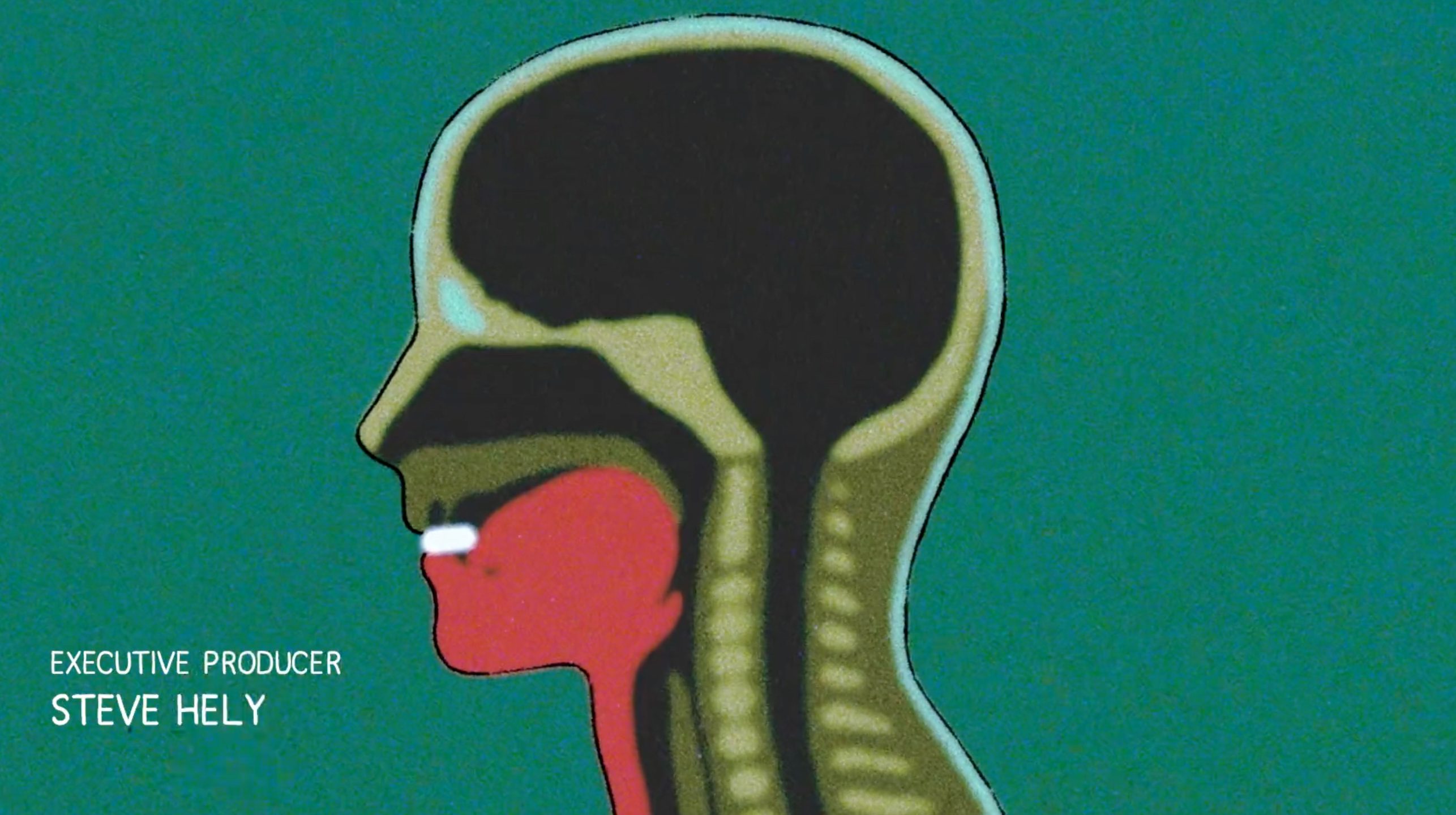
This intention becomes even clearer when you look at how the creators themselves frame the series. In an interview, Hely and Bennett discuss the contradictions of Western healthcare systems, noting that we “spend so much money on drugs, which leads to addictions to drugs.” They explain that the story focuses on how ordinary people get swept up in this system, one that creates “warping effects on all of our lives.” Their comments reinforce the show’s central argument: the absurdity we’re laughing at isn’t random it’s a reflection of the medical structures shaping everyday experience.
This strikes the nerve of the real world. Emerging science hasn’t yet been heard by our healthcare professionals but has been heard by millions through various through media presences on streaming platforms, like YouTube, TikTok, and Spotify. While, many underlying chronic health conditions can be traced back to stress, poor diet the root causes are masked by immonosuppressants or steroids, which become as concrete of a reliance as sleeping ot eating. But then on the flip side, modern wellness cultures prescribes a nearly impossible regiment which is mostly expensive and afforded by middle-upper class stay at home mums. I digress.
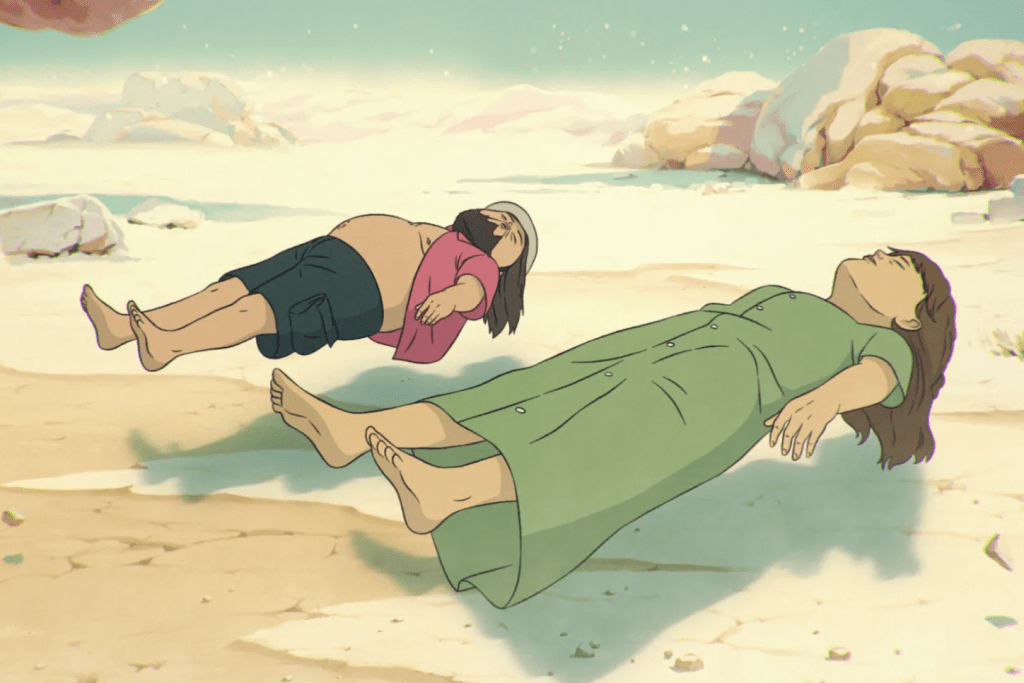
The common satirical effects of Common Side Effects works much like a diagnosis – revealing the fractures of a society that favours efficiency over empathy and profit over wholeness. We laugh not because its necessarily comedic, because humour is really the only way to digest the truth.

If only there was a blue fucking mushroom.
 S-Medley
Leave a comment